
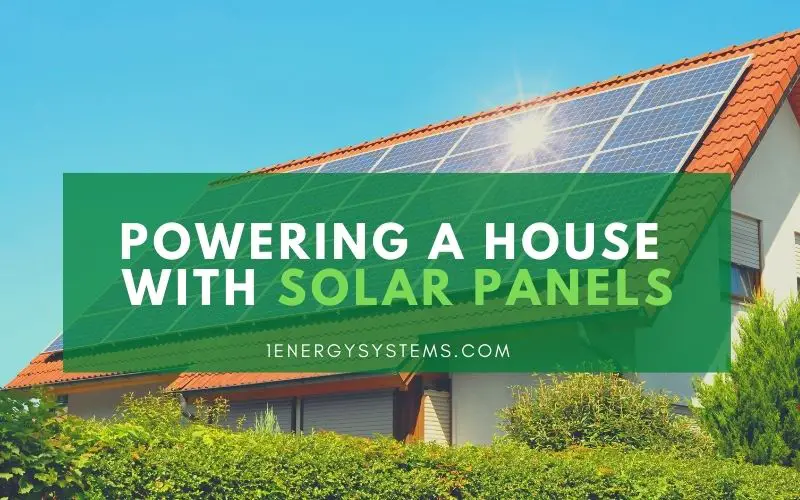
A common question from homeowners planning to install solar panels is “Is it possible to power the entire household using solar energy?” The simple answer is yes, it is possible. However, it is not a question that can be completely explained with a simple answer. It is more complicated.
Before we go ahead and answer the commonly asked questions on the topic, let us understand how solar panels work, its pros & cons, and bust some myths.
How do solar power systems for homes work?
The scientific explanation of how solar panels work as per livescience.com is “A solar panel works by allowing photons, or particles of light, to knock electrons free from atoms, generating a flow of electricity.”
In case this explanation is flying right over your head, don’t worry. All you need to know is that solar panels convert energy from the sunlight into electricity. The generated electricity can be used directly to power your home appliances or may be stored in batteries for later use.
A solar panel is an arrangement of several photovoltaic cells. In a house solar system, the solar panels are the most visible part. Its other components are mounting racks and an inverter. If using batteries for storing the excess power generated, a battery pack and a charge controller is necessary. A backup generator is an optional addition to the system.
Pros and cons of installing solar panels for home use
The list of advantages of solar energy is long. It is clean, renewable, abundant, and comes free of charge. If you have solar panels to power your home, you have freedom from grid power and can escape the ever-escalating energy rates. Low on maintenance, home solar systems come with a fixed energy rate during its long lifetime.
Solar power is ideal for homes in remote locations with no access to the grid. Installing solar panels to power your home raises its property value.
Among the cons, the most prominent is its high initial investment. The suitability of your location for installing a solar system needs to be assessed beforehand. Your location needs to get direct sunlight for a good part of the day throughout the year to make it profitable.
A solar system doesn’t generate power when the sun is not shining. This includes at night, on cloudy and rainy days. This means you have to install batteries to store electricity. This adds to the initial investment.
You need to have sufficient space to mount solar panels. Rooftops are the best for this. However, if rooftops do not have enough space for solar panels to meet your energy needs, you have to accommodate them in yards. Again, space becomes a constraint.
You may be interested to read Why are Solar Panels So Expensive?
Common myths about solar panels
If you’re thinking about buying solar panels for your home, here are common myths about solar panels you need to know before making the investment.
Myth #1: Freedom from the grid
There is this belief that installing a home solar system gives you freedom from the grid. This is only partially true. If your location has the potential, it is possible to power your home fully using solar power and you can go off the grid. However, there are compelling reasons to stay connected to the grid.
As we know solar panels do not generate electricity when the sun is not available. This can be managed to some extent with batteries to store energy for later use and backup generators. But using grid power to supplement solar energy is a simpler way.
Most states have arrangements allowing home solar power generators to sell excess power generated to the grid and get paid as cash or credit. To take advantage of this, you need to stay connected to the grid, even if you are not using grid power.
Myth #2: Installing more solar panels make electricity cheaper
Having a bigger solar system than your energy requirement in the hope of generating excess energy and selling to the grid to make money is not such a good idea. For the simple reason that solar panels are costly to install. Ultimately, the calculations may not work out the way you expected.
It is ideal to install enough solar panels to meet your energy requirement. Not more not less.
Myth #3: Making money by selling to the grid
The idea is good but the sun may not cooperate as you expected. You need to generate excess energy so that you will have enough left after your use. This may not be always possible.
Myth #4: Energy-intensive task should be done during the day
This is true if you do not have batteries installed. You can also manage your energy use by exporting excess energy generated during the daytime to the grid and drawing power from the grid at night when your solar panels are not generating energy.
Commonly asked questions about the home solar system
As long as you are connected to the grid, you will receive energy bills, even if it is nil. With the solar system covering most or all of your energy needs, your energy bill will be minimal. In case you have opted for net metering, you will get credits for the energy exported. The credits will be adjusted against the energy consumed from the grid.
When there is a blackout, the solar system shuts down if it is connected to the grid. This is to prevent your solar system from exporting power to the grid as this will cause injuries to the maintenance crew. However, if you have a battery included in the system, it will provide you power.
A slanting south-facing roof devoid of shade and having ample space is the best for mounting solar panels. If your rooftop doesn’t satisfy one or more of the above conditions, there are ways to make it work. Rotating and tilting mounts can make sure that the solar panels on the roof are capturing the maximum sunlight available.
The lifespan of a solar system is 20-25 years. Uninstalling and installing solar panels is a costly and time-consuming exercise. It is advisable to repair the rooftop and make it free of leaks and damages before installing the solar system.
Solar panels are durable and can withstand the elements of nature. The average lifespan of a solar system is 20-25 years, some manufacturers ensuring up to 30 years. In this duration, many components of the system may need replacement due to various reasons, but the system itself will continue to generate electricity.
Recommended Reading:
- A Complete Guide to Renewable Energy Sources
- The Cheapest Way to Produce Electricity at Home
- Best Solar Generator for Off-Grid Living
- Best Solar Generator for Refrigerator
- Pros and Cons of Buying a House With Solar Panels
- Tesla Solar Roof vs Solar Panels
- Solar Powered Heat Tapes: Everything You Should Know
- How to Choose Solar Panels for Well Pump
- Silicon for Solar Cells: Everything You Need to Know
- How Many Solar Panels To Charge A Tesla?